
Large Pocket Machining for Aluminum Components
CNCALPARTS provides precision aluminum CNC machining for deep cavities, thin-wall enclosures, lightweight structures, and complex billet-machined components.
Our aluminum-only focus helps us optimize toolpaths, workholding, thermal control, and chip evacuation for the high material removal rates required in large pocket machining.
±0.01 mm
Precision tolerance
0.5 mm
Minimum wall thickness
5-axis
Complex geometry support
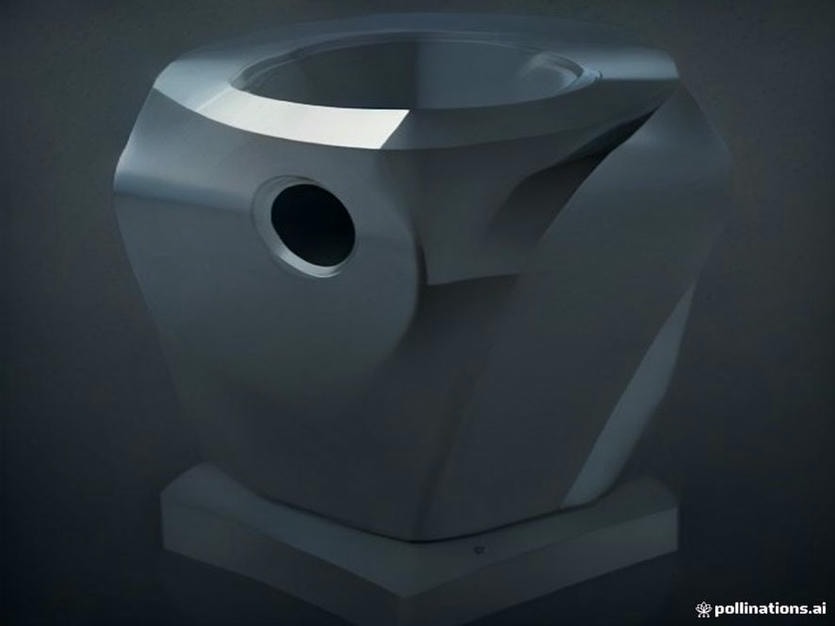
Built for large cavities
High-removal roughing, controlled finishing, and dedicated deformation management for aluminum housings and structural parts.
Process control
Technical challenges in aluminum pocketing
Removing a large volume of material from a solid billet releases internal stresses and creates demanding conditions around thin floors, thin walls, deep features, and long tool extensions.
Dimensional distortion
Incorrect sequencing can cause large cavity walls to bow or tilt as material is removed and stresses are released.
Chip evacuation
Deep pockets need continuous chip clearance to prevent recutting, surface damage, and tool breakage.
Vibration and chatter
Long tool extensions increase vibration risk, making tool selection and cutting strategy critical to finish and tolerance.
Thermal expansion
Localized heat during heavy roughing can temporarily expand the part and affect final dimensional accuracy.
Machining strategy
High-removal machining without sacrificing stability
Our multi-stage approach separates bulk removal from precision finishing, helping control heat, stress, tool deflection, and dimensional movement throughout the cycle.
High-speed roughing
Optimized step-overs and HSM techniques remove bulk material quickly while reducing the time under heavy thermal load.
Stress relief allowance
A uniform allowance remains on walls and floors so complex parts can settle before final tolerance passes.
Dedicated finishing
Dedicated finishing end mills produce surface roughness requirements from Ra 0.8–3.2 μm without unnecessary stress.
Aluminum-specific tooling
Sharp carbide grades and chip-breaking geometries reduce material adhesion and support reliable cutting.
Precision capabilities
Sized for prototypes and production volumes
We support complex aluminum geometries across 3-axis, 4-axis, and 5-axis machining, with inspection processes designed for critical dimensions, flatness, and parallelism.
Discuss your part requirements| Capability | Typical range |
|---|---|
| Materials | Aluminum alloys only: 6061, 7075, 6082, and more |
| Max milling size | 1000 × 600 × 500 mm |
| General tolerance | ±0.05 mm |
| Precision tolerance | Down to ±0.01 mm |
| Minimum wall thickness | 0.5 mm |
| Surface roughness | Ra 0.8–3.2 μm |
| Machining axes | 3-axis, 4-axis, 5-axis |
| Drawing formats | STEP, STP, SLDPRT, IGES, X_T, DWG, DXF, PDF |
Application fit
Lightweight parts with substantial internal machining
Our process is suited to components that need high material removal rates while retaining rigidity, alignment, flatness, and controlled wall thickness.
Enclosures and housings
Deep internal pockets for PCB mounting, protection, and thermal management.
Heat sinks
Large, thin-finned pocketing designed to maximize surface area and heat dissipation.
Structural frames
Lightweight chassis components requiring strict flatness and parallelism.
Optical mounts
Complex housings where internal pockets must align precisely with external features.
Manifolds
Solid aluminum blocks with internal fluid or air channels machined to controlled geometry.
Deformation control
Support thin floors and walls throughout the cycle
When walls are as thin as 0.5 mm, clamping force and cutting pressure must be balanced precisely. We use custom soft jaws or vacuum fixtures to support the part during machining, helping prevent springback, vibration, and movement during final passes.
Material focus
Aluminum only
Our tooling, coolants, parameters, and process controls are optimized for aluminum, avoiding cross-contamination risks and supporting faster cycles, cleaner finishes, and consistent production batches.
Quality assurance
Inspection built around critical geometry
Every part undergoes a structured inspection protocol before shipment, with in-process review of pocket depths, wall thickness, flatness, and parallelism.
Dimensional verification
CMMs, micrometers, and height gauges verify pocket depths and wall thicknesses.
Surface inspection
Roughness testers confirm cosmetic and functional surface specifications.
Traceable reporting
Dimensional Inspection Reports and First Article Inspection reports are available upon request.
Frequently considered questions
Planning a large aluminum pocket?
How do you control thin-wall deformation? +
We balance clamping and cutting forces, leave a consistent finishing allowance, and use custom soft jaws or vacuum fixtures where needed.
Can you machine deep pockets with long tool extensions? +
Yes. Tool extension, carbide geometry, step-over, chip evacuation, and finishing strategy are selected together to reduce chatter and deflection.
Which files should I send for a quote? +
Send STEP or STP files together with technical drawings when available. SLDPRT, IGES, X_T, DWG, DXF, and PDF formats are also supported.
Do you support prototypes and production batches? +
Our capabilities support both prototype work and production volumes, with inspection and reporting scaled to project requirements.
Request a quote
Send your large pocket machining project for review
If your design includes thin walls, thin floors, deep cavities, or complex aluminum geometry, send your STEP/STP files and technical drawings. Our team will review the machining approach and production requirements.
Email: info@cncalparts.com
Location:
Start your inquiry
Share your part details and preferred delivery requirements.
CNCALPARTS — We machine aluminum. Only aluminum.
Contact our machining team